

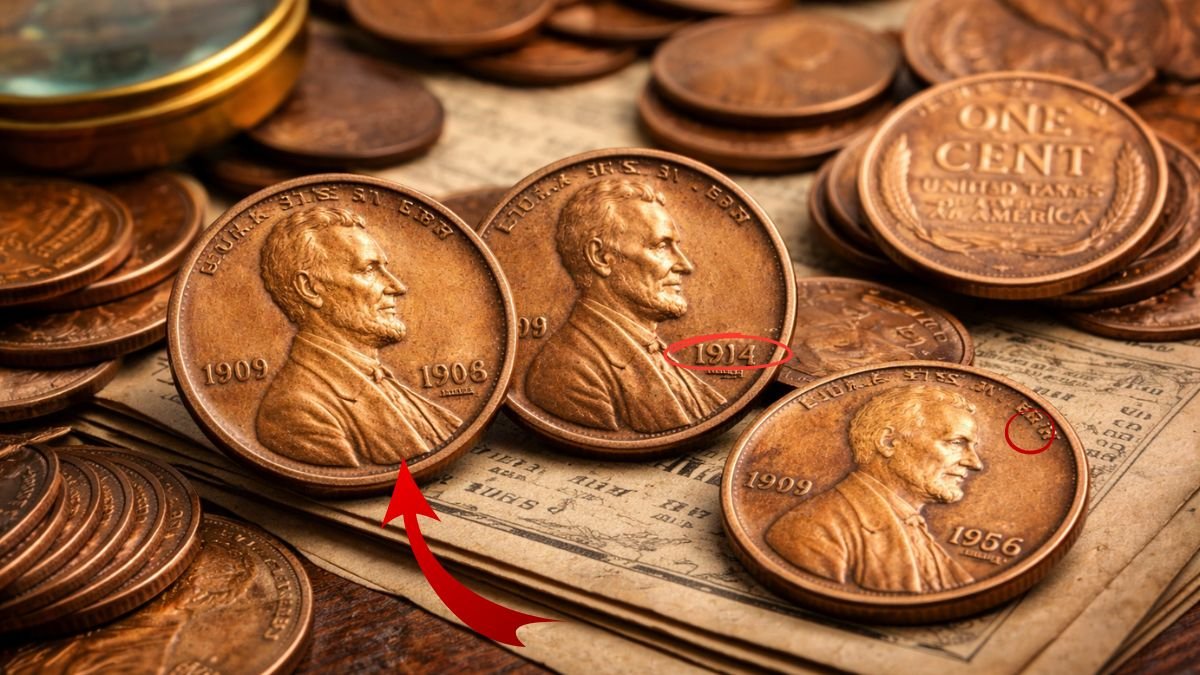
Wheat pennies, officially called Lincoln Wheat Cents, are among the most popular and widely collected U.S. coins. Minted from 1909 to 1958, these classic copper cents once circulated in everyday change. Today, they are prized collectibles, and their values have changed noticeably over the last decade. Whether you inherited a jar of old pennies or actively collect coins, understanding how wheat penny prices have evolved can help you spot coins that may be worth far more than face value.
This updated guide explains what wheat pennies are worth today, how prices compare to 10 years ago, and which coins matter most for collectors in 2026.
What Are Wheat Pennies and Why They Matter
A Short History of Lincoln Wheat Cents
Wheat pennies feature President Abraham Lincoln on the front and two wheat stalks on the reverse. They were the first U.S. coins to show a real historical figure instead of a symbolic design. Their long production run and connection to American history make them especially appealing to collectors.
Key reasons wheat pennies remain popular include:
- Affordable entry point for beginners
- Wide variety of dates, mint marks, and errors
- Strong historical and nostalgic appeal
- Steady long-term value growth
Wheat Penny Values: Today vs 10 Years Ago
How Prices Have Changed
Over the past decade, wheat penny values have steadily increased. While common coins remain affordable, high-grade examples, rare dates, and error coins have risen sharply due to growing collector demand and shrinking supply.
| Wheat Penny Type | Average Value 10 Years Ago | Average Value Today | Market Trend |
|---|---|---|---|
| Common Circulation Dates | $50 – $250 | $250 – $5000 | Slow but steady growth |
| High-Grade Common Dates | $200 – $500 | $1000 – $3000 | Strong increase |
| Key Date Pennies | $30000 – $8000 | $1,0000k+ | Sharp rise |
| Error & Variety Coins | $500 – $5000 | $300k – $2,0000k+ | High demand |

These trends show that condition and rarity matter far more today than they did a decade ago.
Common Wheat Pennies: Still Affordable
Modest Coins with Gradual Growth
Most wheat pennies were minted in large numbers, especially during the 1940s and 1950s. Heavily worn examples are still inexpensive, but even these coins are worth more now than they were 10 years ago.
Coins with clearer details, original copper color, and light wear can sell for several times their older values. As circulation finds dry up, prices continue to rise slowly but consistently.
Key Dates and Rare Wheat Pennies
Coins That Drive the Market
Certain wheat pennies are essential for serious collectors. These low-mintage coins have experienced the strongest price growth in the last decade.
Notable key dates include:
- 1909-S VDB
- 1914-D
- 1931-S
High-grade examples of these coins are becoming increasingly scarce. As competition increases, prices for certified and well-preserved pieces continue to climb.
Why Condition Is More Important Than Ever
Small Details, Big Price Differences
Coin condition plays a major role in value. Wheat pennies range from heavily worn to mint state, and even slight differences in wear can mean large price gaps.
Over the past 10 years, collector demand has shifted strongly toward:
- Uncirculated coins
- Coins with original color
- Professionally graded examples
Lower-grade coins still have value, but premium-condition wheat pennies are appreciating at a much faster rate.
Errors and Varieties: Hidden Value
The Coins Collectors Actively Seek
Error coins have become one of the hottest segments of the wheat penny market. These coins often sell for hundreds or even thousands of dollars.
Common errors to look for include:
- Doubled dies
- Off-center strikes
- Die cracks and missing details
- Wrong planchet errors
Careful inspection can uncover valuable coins hiding in ordinary-looking collections.
The Role of Copper and Market Demand
More Than Just Metal Value
While rising copper prices have slightly increased the base value of wheat pennies, collector demand is the real driver of price growth. Online auctions, social media, and coin forums have made information easier to access, bringing new collectors into the market.
This increased visibility has helped push prices higher, especially for scarce and high-quality coins.
How to Check the Value of Your Wheat Pennies
Simple Steps to Get Started
Start by identifying the date and mint mark located near the year. Next, evaluate condition by checking for wear, scratches, fading, or discoloration.
Then:
- Look for unusual features or errors
- Compare prices using recent auction results
- Consider professional grading for higher-value coins
Proper evaluation can prevent undervaluing rare finds.
FAQs About Wheat Penny Values
Are wheat pennies still worth keeping in 2026?
Yes, especially key dates, error coins, and high-grade examples.
What is the most valuable wheat penny?
The 1909-S VDB is among the most valuable and sought-after.
Do all wheat pennies have copper value?
Yes, but collector value usually exceeds metal value.
Should I clean my wheat pennies?
No. Cleaning can significantly reduce their value.
Can common wheat pennies still increase in value?
Yes, slowly, as supplies continue to decline.
Final Thoughts
Wheat pennies remain one of the most accessible and rewarding areas of U.S. coin collecting. Over the past 10 years, values have clearly increased, especially for rare dates, error coins, and well-preserved examples. With patience, careful research, and proper storage, wheat pennies can offer both historical enjoyment and long-term value.
If you have old pennies tucked away, now is a great time to take a closer look. You may be holding more value than you realize.