

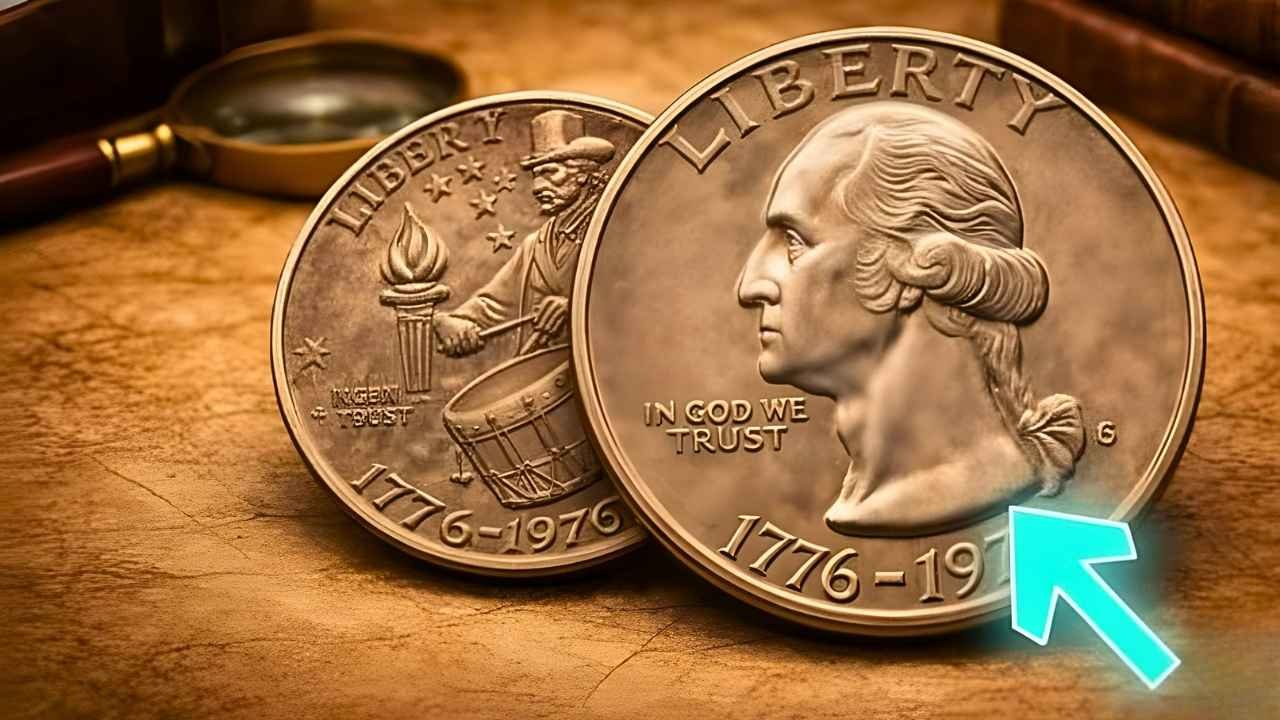
Rare Lincoln Wheat Penny Worth $576,000 : The Lincoln Wheat Penny is one of America’s most iconic coins, first introduced in 1909 to honor Abraham Lincoln’s 100th birthday. While most pennies from this series are common and worth only a few cents, certain rare varieties have become the crown jewels of coin collecting. In fact, one Lincoln Wheat Penny recently sold for an astonishing $576,000, making it a must-know for collectors and enthusiasts alike. This guide will help you understand why some Wheat Pennies are so valuable and how to spot a potential treasure in your own collection.
The History of the Lincoln Wheat Penny
- Introduced: 1909, marking the centennial of Abraham Lincoln’s birth
- Designer: Victor David Brenner
- Design: Lincoln’s profile on the obverse; two wheat stalks on the reverse symbolizing prosperity
- Minting period: 1909–1958 (later replaced by the Lincoln Memorial reverse)
As the first U.S. coin to feature a real person, the Wheat Penny carries historical and cultural significance, making rare examples highly desirable.
Why Some Wheat Pennies Are So Valuable
The value of a Wheat Penny depends on several factors:
- Rarity: Limited mintages or unusual production errors
- Condition: Coins in near-mint state or uncirculated condition are worth far more
- Historical significance: Early designs, notable mint marks, or unique features
- Demand: Collectors seek coins that tell a story or represent a piece of history
The $576,000 Lincoln Wheat Penny combines all these factors, representing one of the most valuable and sought-after coins in American numismatics.
How to Spot a Rare Lincoln Wheat Penny
Identifying a valuable Wheat Penny requires careful observation. Here’s what to check:
Check the Date
Certain years are particularly rare:
- 1909 VDB (Philadelphia, VDB initials on reverse)
- 1914 D (Denver Mint)
- 1922 no mint mark
Look for Mint Marks
Mint marks are located under the date on the obverse:
- D = Denver
- S = San Francisco
- No mark = Philadelphia
Rare coins from Denver or San Francisco are often worth more than Philadelphia issues.
Examine for Errors
Minting errors increase value significantly:
- Doubled dies
- Off-center strikes
- Coins struck on the wrong planchet
Assess Condition
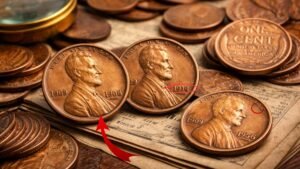
Coins are graded from Poor (P) to Mint State (MS). A higher grade indicates sharper details and minimal wear, directly influencing the value.
Consult Reference Guides
Numismatic catalogs and guides list rare varieties, mintages, and known errors. These are essential tools for accurate identification.
Why Rare Coins Still Appear in Circulation
Even coins worth hundreds of thousands of dollars can surface in everyday circulation. Many people store coins without realizing their potential value. Others may spend them casually, unaware of the rarity. This is why collectors often examine change, hoping to find a hidden treasure.
Tips for Aspiring Coin Collectors
- Start small: Examine coins you already have or inherit.
- Educate yourself: Learn about key dates, mint marks, and errors.
- Handle carefully: Use gloves and store coins in protective holders.
- Seek expert advice: Professional numismatists or grading services can authenticate and appraise valuable coins.
Lincoln Wheat Penny Value Snapshot
| Year / Mint | Notable Feature | Potential Value |
|---|---|---|
| 1909 VDB | First issue with VDB initials | $10,000–$576,000+ |
| 1914 D | Denver Mint | $10,000–$100,000 |
| 1922 No Mint Mark | Rare low-mintage variety | $5,000–$50,000 |
| Common Dates | Circulated pennies | Face value – $1 |
FAQs
Q: What makes the $576,000 Lincoln Wheat Penny so special?
A: Its rarity, condition, minting error, and historical significance combine to make it highly valuable.
Q: Can I find valuable Wheat Pennies in circulation?
A: Yes, though it’s rare. Many valuable coins have appeared in jars, collections, or even pocket change.
Q: How do I know if my penny is authentic?
A: Professional grading services can authenticate, assess condition, and determine value.
Q: Are all 1909 Lincoln Wheat Pennies valuable?
A: Only certain varieties, like the 1909 VDB, are highly sought after. Most are common and worth only a few cents.
Q: Should beginners invest in rare coins?
A: Start by learning about coin history and condition before investing large sums. Knowledge is key.
Conclusion
The Lincoln Wheat Penny is more than just currency; it’s a symbol of history, culture, and the thrill of collecting. Rare varieties, like the one valued at $576,000, remind us that hidden treasures can still exist in everyday life. By understanding key dates, mint marks, and errors, collectors and enthusiasts can join the exciting hunt for these ultra-valuable coins. The next time you come across a Lincoln Wheat Penny, take a closer look—you could be holding a fortune in your hand.