

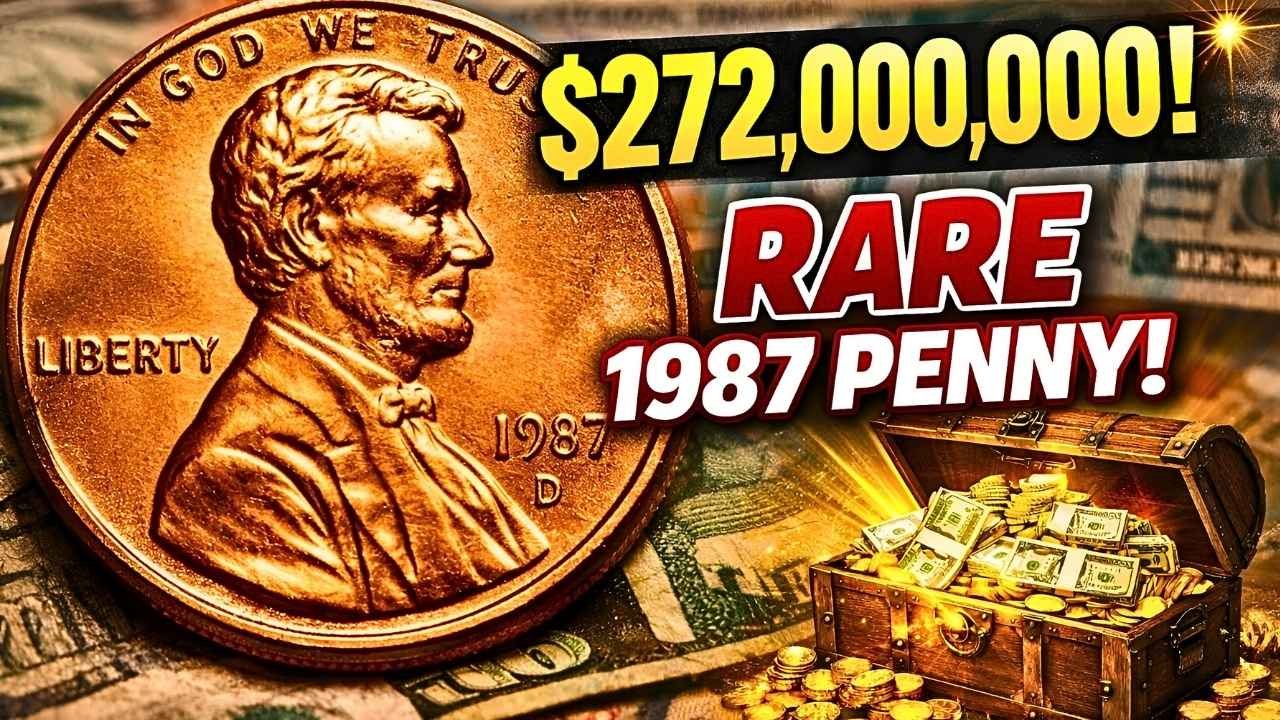
Complete Wheat Penny Value Guide : Coin collecting combines history, curiosity, and the excitement of finding something valuable in plain sight. Few U.S. coins capture that spirit better than the Lincoln Wheat Penny. Minted from 1909 to 1958, this small copper coin has become one of the most collected and studied coins in America. While many Wheat Pennies are common, a handful of rare dates and errors are worth hundreds, thousands, or even more.
This complete guide explains the history of the Wheat Penny, what affects its value, which dates matter most, and how collectors can build a smart, rewarding collection.
What Is a Lincoln Wheat Penny?
A Coin That Changed U.S. History
The Lincoln Wheat Penny was introduced in 1909 to honor the 100th anniversary of Abraham Lincoln’s birth. Designed by Victor David Brenner, it was the first U.S. coin to feature a real person, replacing symbolic figures used before.
The front shows Lincoln’s profile, while the back displays two wheat stalks framing the words “One Cent.” The wheat design symbolized America’s agricultural strength and remained in use until 1958, when it was replaced by the Lincoln Memorial reverse.
Key Historical Moments That Shaped Wheat Pennies
Several events make Wheat Pennies especially interesting to collectors.
Early Minting and the Famous VDB
In 1909, Brenner’s initials “VDB” appeared on the reverse. Public criticism led to their removal, creating the legendary 1909-S VDB, one of the most valuable Wheat Pennies today.
World War II Changes
During World War II, copper was needed for the war effort. In 1943, pennies were made from zinc-coated steel instead of copper. A small number of copper blanks were accidentally used, creating the ultra-rare 1943 copper Wheat Penny.
What Determines Wheat Penny Value?
Not all Wheat Pennies are valuable. Most are worth only a few cents. Value depends on several key factors.
Main Factors That Affect Price
- Rarity: Low-mintage dates and error coins are worth more
- Condition: Uncirculated or mint-state coins command higher prices
- Mint mark: Coins from Denver (D) and San Francisco (S) are often scarcer
- Errors: Double dies, missing mint marks, or wrong-metal strikes add value
Rare and Valuable Wheat Pennies to Know
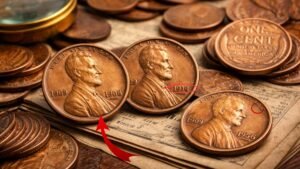
Here are some of the most sought-after Wheat Pennies and their approximate value ranges.
| Wheat Penny | Why It’s Valuable | Estimated Value |
|---|---|---|
| 1909-S VDB | Very low mintage, first-year issue | $700M–$3,000M+ |
| 1914-D | Scarce in high grades | $300M–$5,000M |
| 1922 No D | Missing mint mark error | $500M–$10,000M |
| 1943 Copper | Wrong metal error | $100,000M+ |
| 1955 Double Die | Strong doubling on date and letters | $1,000M–$15,000M |
Values depend heavily on condition and professional grading.
How to Identify Valuable Wheat Pennies
Collectors should inspect each Wheat Penny carefully. Small details can make a big difference.
Quick Identification Tips
- Check the date and mint mark closely
- Look for doubling on letters or numbers
- Examine wear on Lincoln’s hair and coat
- Use a magnifying glass to spot errors
- Compare coins with trusted reference guides
Avoid cleaning coins, as this can permanently reduce their value.
The Importance of Professional Grading
Professional grading services such as PCGS and NGC evaluate coins for authenticity and condition. Graded coins are sealed in protective holders and assigned a numerical grade.
Benefits of grading include:
- Verified authenticity
- Higher resale value
- Easier buying and selling
- Protection from damage
High-grade Wheat Pennies often sell for far more once professionally graded.
Building a Wheat Penny Collection
Collecting Wheat Pennies can fit almost any budget. Some collectors aim for a complete date-and-mint set from 1909 to 1958. Others focus only on rare varieties or error coins.
Smart Collector Tips
- Start with common dates to learn grading basics
- Store coins in proper holders or albums
- Buy from reputable dealers
- Track prices and market trends
- Be patient—great finds take time
The joy of collecting comes from both learning and discovery.
Why Wheat Pennies Still Matter
Wheat Pennies are more than old coins. They reflect American history, economic changes, and evolving design standards. From wartime steel cents to famous minting errors, each coin tells a story.
For collectors, Wheat Pennies offer an affordable entry point with the potential for surprising value. Many valuable coins have been found in jars, rolls, and inherited collections.
Frequently Asked Questions
Are Wheat Pennies still found in circulation?
Rarely, but it does happen. Most are found in old collections or coin rolls.
What is the most valuable Wheat Penny?
The 1943 copper Wheat Penny is considered the most valuable, often selling for six figures.
Should I clean my Wheat Pennies?
No. Cleaning damages the surface and lowers collector value.
Are all Wheat Pennies made of copper?
Most are, except for the 1943 steel cents and a few rare errors.
Is collecting Wheat Pennies a good investment?
It can be, especially for rare dates and high-grade coins, but it should also be enjoyed as a hobby.
Final Thoughts
The Lincoln Wheat Penny remains one of the most fascinating and collectible U.S. coins ever produced. Its mix of history, affordability, and rare high-value examples keeps collectors searching year after year. Whether you’re a beginner or an experienced numismatist, understanding Wheat Penny values can turn ordinary cents into meaningful treasures.
Take a closer look at your coins. You might be holding a small piece of American history with a big story to tell.