

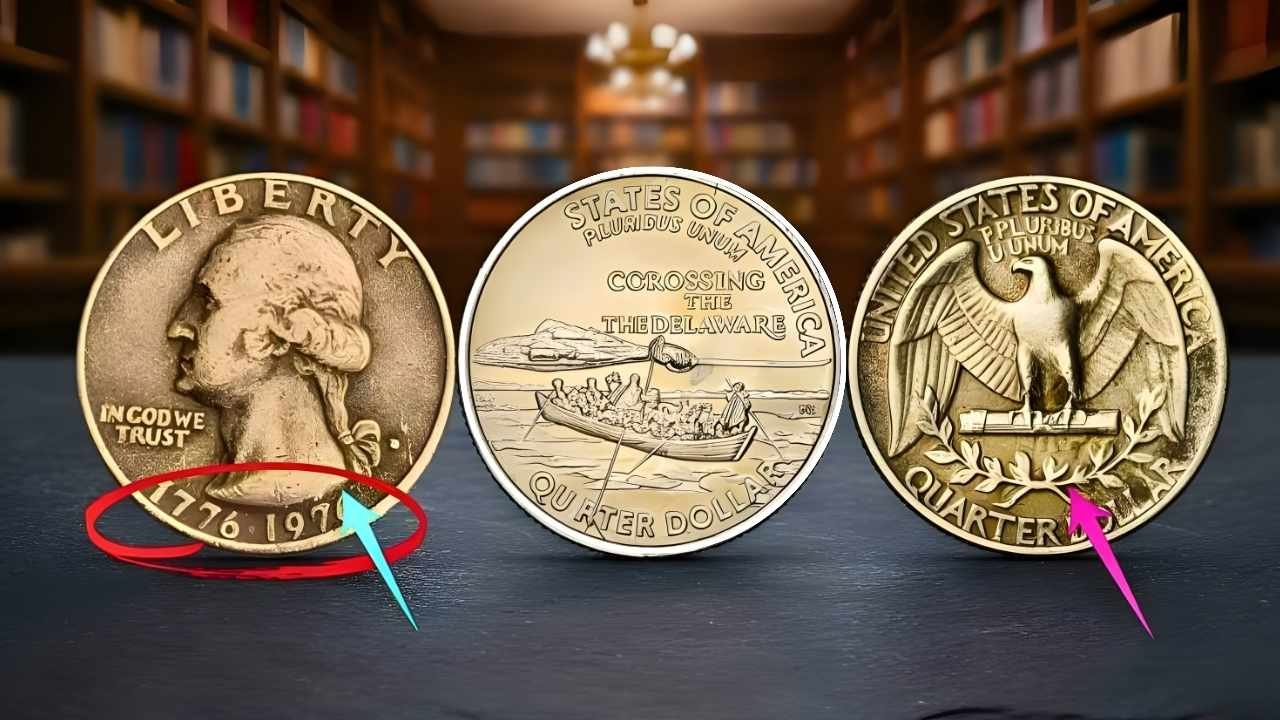
1976 Bicentennial Quarters : The year 1976 holds a special place in American history. As the United States celebrated 200 years of independence, the U.S. Mint released a unique set of commemorative coins that instantly captured public attention. Among them, the 1976 Bicentennial quarter became the most iconic and widely collected. Featuring a colonial drummer on the reverse and the dual date 1776–1976 on the obverse, this coin symbolized national pride and unity.
While billions of Bicentennial quarters were minted, not all are created equal. Some varieties, conditions, and compositions make certain coins far more valuable and desirable today. Below are four rare circulating Bicentennial quarters collectors should own, explained in a clear and practical way for both beginners and seasoned numismatists.
Why 1976 Bicentennial Quarters Still Matter
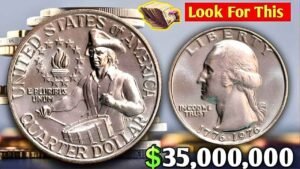
The Bicentennial quarter is more than spare change. It represents a once-in-a-lifetime national celebration and a major design change from the traditional eagle reverse. Designed by Jack L. Ahr, the drummer boy image remains instantly recognizable even decades later.
Collectors value these quarters for three main reasons:
- Strong historical and patriotic appeal
- High mintage varieties mixed with rare high-grade examples
- Growing interest as America approaches its 250th anniversary
Most Bicentennial quarters are still worth face value, but the right ones can be worth significantly more.
The 4 Most Collectible 1976 Bicentennial Quarter Varieties
Philadelphia No Mint Mark Quarter
The Philadelphia Mint struck Bicentennial quarters without a mint mark, producing hundreds of millions. These are extremely common in circulation, but condition makes all the difference.
- Most circulated examples are worth 25 cents
- Mint State coins graded MS67 or higher are scarce
- Top-condition examples have sold for hundreds of dollars
Collectors enjoy roll hunting these coins because high-grade survivors are surprisingly hard to find.
Denver Mint Bicentennial Quarter (D Mint Mark)
Denver-produced quarters carry a small “D” mint mark below Washington’s portrait. These coins are popular for their typically stronger strikes.
Why collectors like them:
- Sharper details than many Philadelphia issues
- Known for mint errors such as doubled dies and off-center strikes
- Essential for complete Bicentennial quarter sets
While most Denver coins are common, error varieties and pristine examples can command strong premiums.
San Francisco Clad Proof Quarter
San Francisco produced Bicentennial quarters specifically for collectors, not circulation. These clad proof coins feature:
- Mirror-like fields
- Frosted design details
- Exceptional craftsmanship
Although not intended for everyday use, some proofs entered circulation. Coins graded PR69 or PR70 are especially valuable and remain affordable compared to silver versions.
San Francisco 40% Silver Bicentennial Quarter
The most desirable Bicentennial quarter is the San Francisco 40% silver issue. These were sold in special collector sets and contain real silver, adding intrinsic value.
Key highlights:
- 40% silver composition
- Lower mintage than clad issues
- High-grade examples can be worth hundreds or even thousands
This variety combines historical importance with precious metal value, making it a top choice for long-term collectors.
Quick Comparison of 1976 Bicentennial Quarter Varieties
| Mint Location | Variety | Key Feature | Collector Appeal | Value Range |
|---|---|---|---|---|
| Philadelphia | No Mint Mark | Massive mintage | Rare in MS67+ | Face value to hundreds |
| Denver | D Mint Mark | Strong strikes, errors | Popular for sets | Face value to hundreds |
| San Francisco | Clad Proof | Mirror finish | Collector issue | Affordable, high-grade premium |
| San Francisco | 40% Silver | Silver content | Most desirable | Hundreds to thousands |
How to Identify Valuable Bicentennial Quarters
To spot a potentially valuable coin, focus on these factors:
- Mint mark: None (Philadelphia), D (Denver), S (San Francisco)
- Condition: Uncirculated coins bring the highest prices
- Errors: Doubled dies, off-center strikes, and missing details
- Composition: Silver coins are heavier and sound different
Using a magnifying glass and checking coin weight can help confirm authenticity.
Market Outlook for Bicentennial Quarters in 2026
Interest in Bicentennial coins remains steady, but experts expect renewed attention as the U.S. approaches its 250th anniversary. Auction records already show strong prices for high-grade and silver examples. While these coins shouldn’t be treated as guaranteed investments, quality pieces continue to perform well in the collector market.
FAQs About 1976 Bicentennial Quarters
Are all Bicentennial quarters valuable?
No. Most circulated examples are worth face value, but high-grade, proof, error, and silver coins are valuable.
How do I know if my quarter is silver?
Silver Bicentennial quarters were minted in San Francisco and usually came in special sets. They weigh slightly more than clad coins.
Can proof coins be found in circulation?
Yes, though rare. Some proof coins were spent over the years.
What grade makes a Bicentennial quarter valuable?
Generally, MS67 or higher for circulation strikes and PR69–PR70 for proofs.
Should I get my Bicentennial quarter graded?
If it’s uncirculated, silver, or shows a mint error, professional grading may be worthwhile.
Final Thoughts
The 1976 Bicentennial quarter blends American history, artistic design, and collecting opportunity. While billions were minted, four standout varieties deserve special attention: Philadelphia no mint mark, Denver mint, San Francisco clad proof, and San Francisco 40% silver. Each offers a unique combination of accessibility and potential value.
As interest grows ahead of America’s 250th anniversary, now is a great time to check your change, explore coin rolls, or upgrade your collection with these iconic quarters. Sometimes, history really is hiding in plain sight.
Disclaimer: This article is for informational purposes only. Coin values fluctuate based on condition, rarity, and market demand. Always consult a professional numismatist or auction house before making buying or selling decisions.