

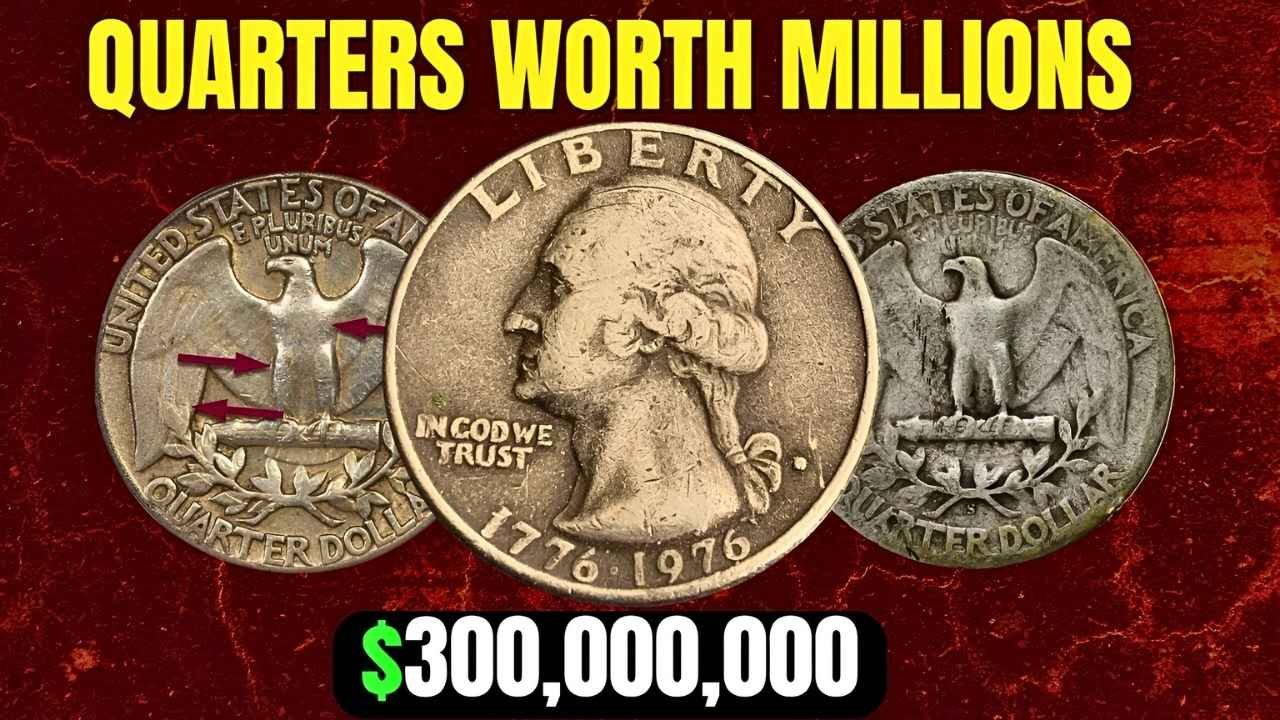
1976 Bicentennial Quarters : Coins are more than everyday pocket change. They tell stories, preserve history, and sometimes turn into valuable treasures. One of the most iconic U.S. coins ever produced is the 1976 Bicentennial Quarter, created to celebrate 200 years of American independence. While millions of these quarters were minted, a small number stand out as rare and highly collectible. Some are worth hundreds, others thousands, and a few exceptional examples have reached eye-opening prices at auction.
If you’re curious about which Bicentennial Quarters are worth collecting, here are four rare types every collector should know about.
The History of the 1976 Bicentennial Quarter
A Coin That Celebrated America’s 200th Birthday
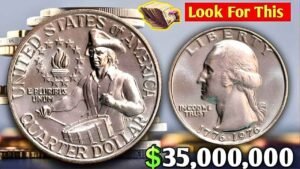
The Bicentennial Quarter was introduced in 1975 and 1976 to mark the nation’s 200th anniversary. Instead of the traditional eagle reverse, the coin features a colonial drummer designed by Jack L. Ahr, surrounded by thirteen stars symbolizing the original colonies. The front still shows George Washington, paired with the dual date 1776–1976.
Most Bicentennial Quarters were struck in copper-nickel and released into circulation. However, special collector versions were made using 40 percent silver, and these are where real value often lies.
1. 1976-S Silver Proof Bicentennial Quarter
A Collector Favorite
The 1976-S Silver Proof Quarter was struck at the San Francisco Mint and sold only in special proof sets. These coins feature a brilliant mirror-like background with frosted details, giving them exceptional eye appeal.
Why collectors love it:
- 40% silver composition
- Extremely sharp strike
- Limited compared to circulation coins
In deep cameo proof condition, these coins can sell for hundreds to several thousand dollars, depending on grade and demand.
2. 1976-S Silver Uncirculated Bicentennial Quarter
Scarcer Than Proof Versions
The silver uncirculated version was also produced at the San Francisco Mint but finished differently. Instead of a mirror proof surface, these coins have a satin-like appearance and were sold in uncirculated mint sets.
Key points that drive value:
- Lower production numbers than proof sets
- 40% silver content
- Often preserved in high condition
High-grade examples can command several hundred dollars or more, especially when professionally graded.
3. Double Die Obverse Bicentennial Quarter
Rare Mint Error With Big Value
Mint errors often create some of the most valuable coins, and the Double Die Obverse Bicentennial Quarter is a prime example. This error occurred when the coin die was misaligned, causing noticeable doubling in the lettering and details on Washington’s portrait.
What makes it valuable:
- Extremely rare
- Visible doubling on date or lettering
- Strong demand among error coin collectors
Depending on condition and clarity of the doubling, values can reach thousands of dollars.
4. High-Grade Circulation Strike Bicentennial Quarter
Condition Is Everything
Most Bicentennial Quarters were used daily, making pristine examples hard to find today. Coins graded MS67 or higher by professional grading services are especially valuable.
Reasons collectors pay premiums:
- No wear despite circulation intent
- Strong luster and sharp details
- Scarcity in top grades
Some high-grade circulation strikes have sold for thousands of dollars at auction, proving that condition can be just as important as rarity.
Quick Comparison of Valuable Bicentennial Quarters
| Quarter Type | Key Feature | Potential Value |
|---|---|---|
| 1976-S Silver Proof | Mirror finish, 40% silver | $300–$3,000+ |
| 1976-S Silver Uncirculated | Satin finish, limited sets | $200–$1,500 |
| Double Die Obverse | Rare minting error | $1,000–$5,000+ |
| High-Grade Circulation | MS67+ condition | $1,000–$10,000 |
Why Bicentennial Quarters Are Worth Collecting
The value of these coins comes from a powerful mix of historical importance, limited supply, and condition. They commemorate a major milestone in American history while offering collectors the excitement of discovering hidden value in a familiar coin.
Collectors appreciate them because:
- They mark a unique moment in U.S. history
- Certain varieties are genuinely rare
- Demand remains strong across generations
Tips for Finding Valuable Bicentennial Quarters
- Check mint marks carefully, especially the “S”
- Look for signs of doubling on letters or numbers
- Preserve coins in protective holders
- Consider professional grading for high-quality finds
Frequently Asked Questions
Are all 1976 Bicentennial Quarters valuable?
No. Most are worth face value unless they are silver, error coins, or in very high grade.
How can I tell if my quarter is silver?
Silver versions are heavier and were usually sold in special mint sets, often with an “S” mint mark.
What does a double die look like?
You’ll see noticeable doubling on letters or numbers, especially in “LIBERTY” or the date.
Should I clean my Bicentennial Quarter?
No. Cleaning can damage the coin and lower its value.
Is professional grading worth it?
Yes, especially if the coin appears uncirculated or rare.
Final Thoughts
The 1976 Bicentennial Quarter is more than a symbol of American history. For collectors, it represents opportunity, discovery, and long-term value. Whether it’s a silver proof, a rare mint error, or a flawless circulation strike, these four Bicentennial Quarters stand out as true collectibles.
Take a closer look at your coins. That ordinary-looking quarter could be a hidden piece of history waiting to be discovered.